


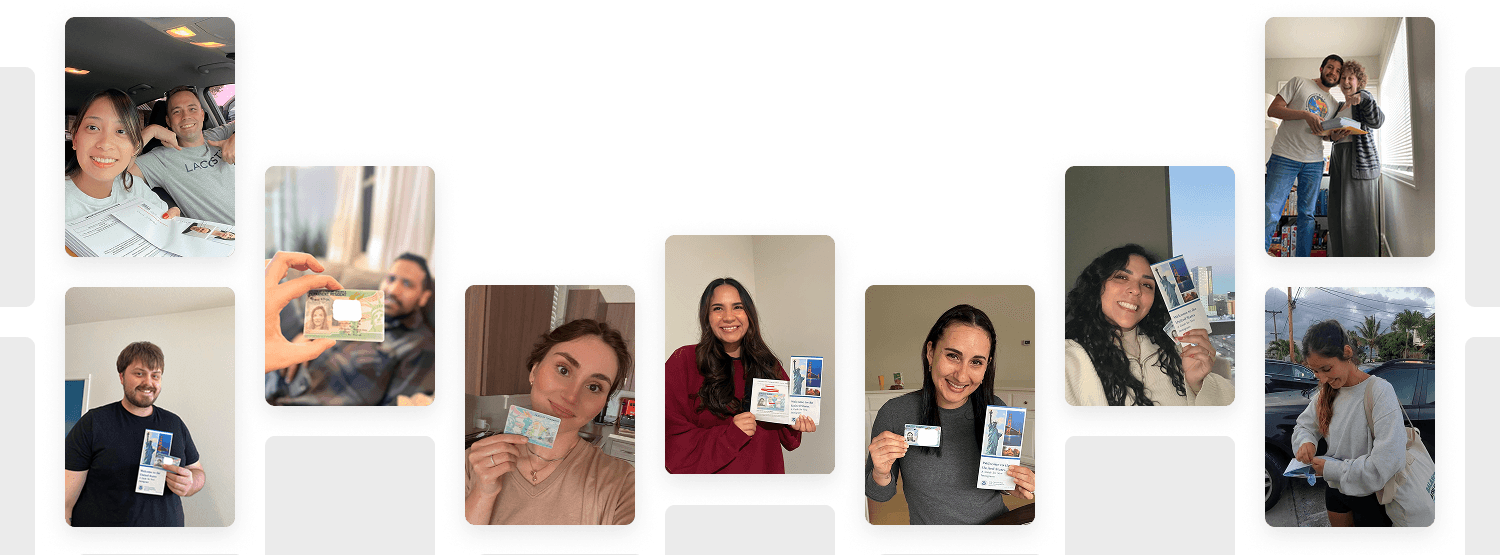
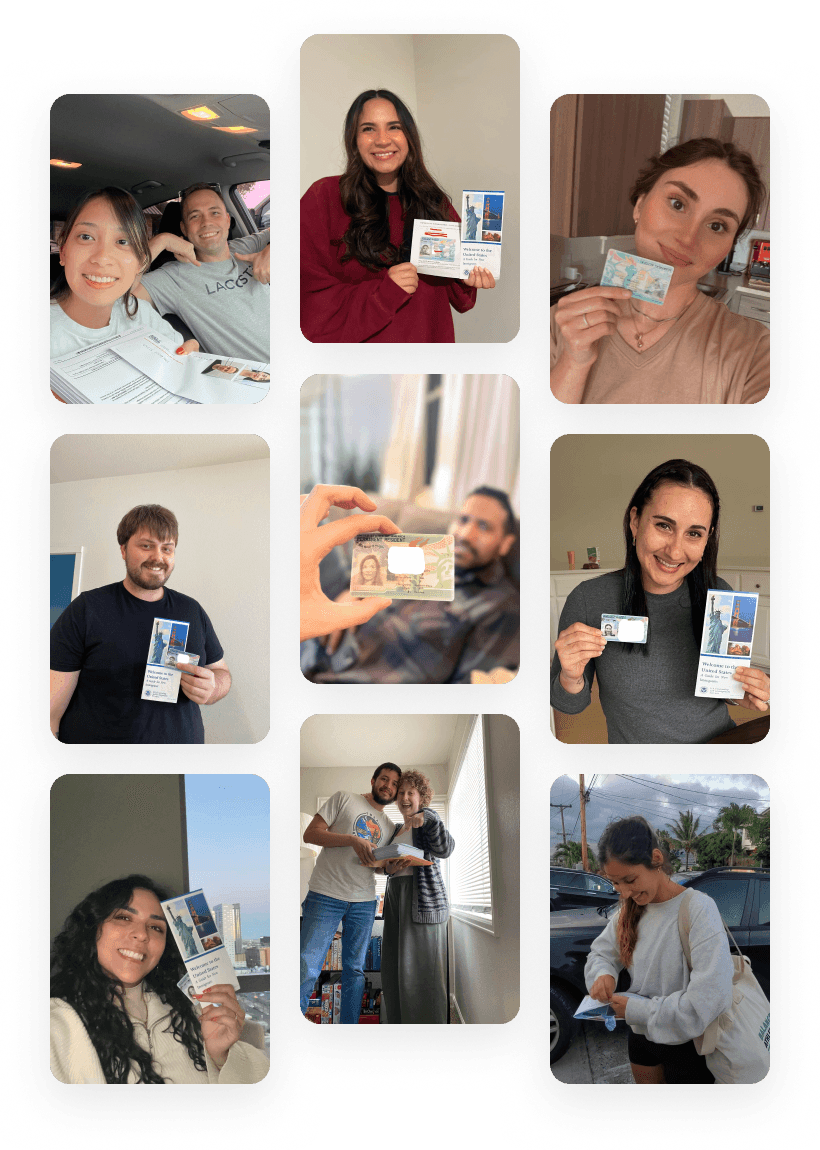
250+ couples already approved using this Method

Built for couples who want to do it right.
A structured, living roadmap.
Turning Where do we start? into confidence at every step.

250+ couples already approved using this Method
Your next steps


Enroll & Get Instant Access
Your private login arrives within seconds.

Set Up Your Timeline
Turn your dates into a clear, actionable plan.

Build, Mail & Stay on Track
Follow precise, proven steps from filing to interview.

Choose Your Path
Follow the roadmap real couples trust — pick the plan that fits your journey.
First Step Only
Marriage Green Card Method
$2,500
Start strong with everything you need for your first filing stage:

Covers Adjustment of Status (forms + evidence)
Medical exam/expedite requests/interview prep modules
Translation + joint-sponsor walkthroughs
Privacy by design — your data stays in your hands and goes directly to the USCIS
Upgrade when it's time to continue through Removal of Conditions or Citizenship prep.
✓ 7-Day Satisfaction Guarantee

You don’t have to pay in full today. Installment options are available at checkout through Afterpay or Klarna (subject to approval).
MOST POPULAR
Complete Journey
Full Marriage Immigration Method™
$3,000
One connected system for Green Card, ROC, and Naturalization:

Full A-to-Z system: Green Card → Removal of Conditions → Citizenship prep

Step-by-step lessons covering every form and evidence item

Attorney-drafted cover letters + optional expedite templates

Medical exam/expedite requests/interview prep modules
Translation + joint-sponsor walkthroughs
Privacy by design — your data stays in your hands and goes directly to the USCIS
✓ 7-Day Satisfaction Guarantee

You don’t have to pay in full today. Installment options are available at checkout through Afterpay or Klarna (subject to approval).

We stand behind the value of our platform.
If within 7 days you determine it’s not the right fit, simply email us for a full refund.
No pressure. No risk. Just clarity.

Make Your Decision With Confidence
We stand behind the value of our platform.
If within 7 days you determine it’s not the right fit, simply email us for a full refund.
No pressure. No risk. Just clarity.

Real Couple Experience
They discovered the Method with only two weeks before a visa deadline.
The husband in this interview is an engineer and immediately recognized the logic behind the Method:
“Once I saw the way it was structured, I could tell this was built by an engineer.”
They discovered the Method with only two weeks before a visa deadline and used it to prepare and submit their application.
What the Method produces

Day-0 confidence
Your next steps are
crystal clear.

Engineered Navigation
USCIS-ready packet — and the route
through every step that follows

Momentum
Your journey moves
forward week over week.

See Inside The Method
01
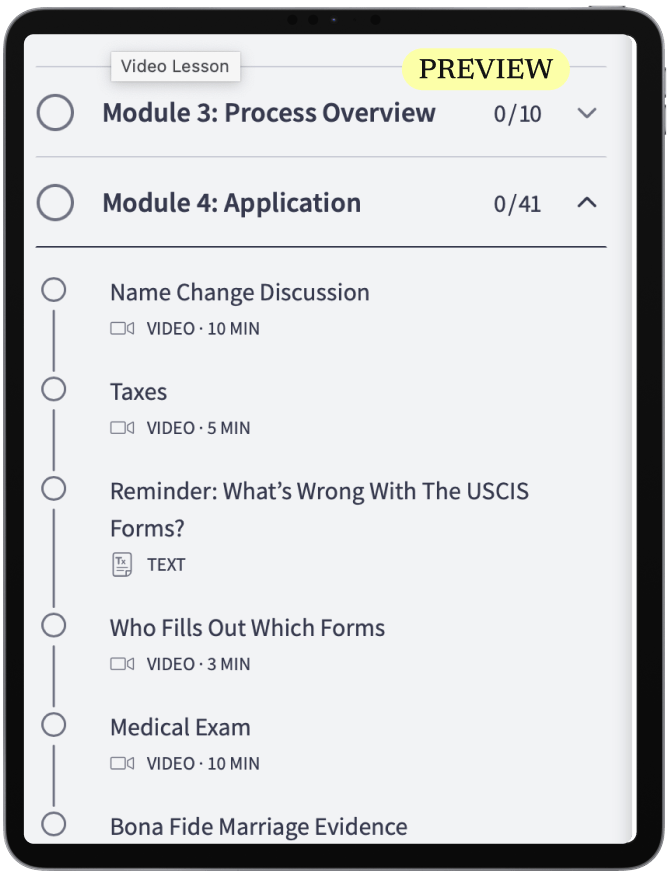
Module List
Every step organized in the exact order USCIS reviews your case.
A structured roadmap that removes guesswork and keeps you moving forward confidently.
02
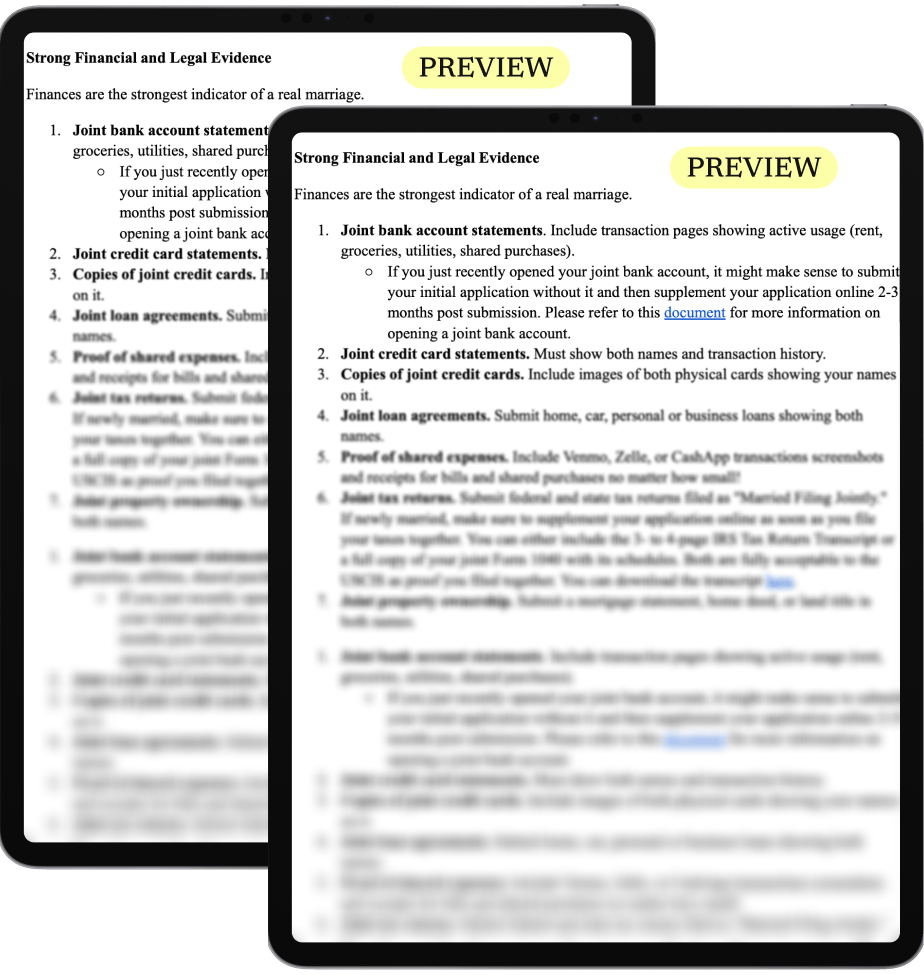
Evidence Builder
Clear examples showing what USCIS expects in each evidence category.
Know exactly what to include — and what not to include.
03
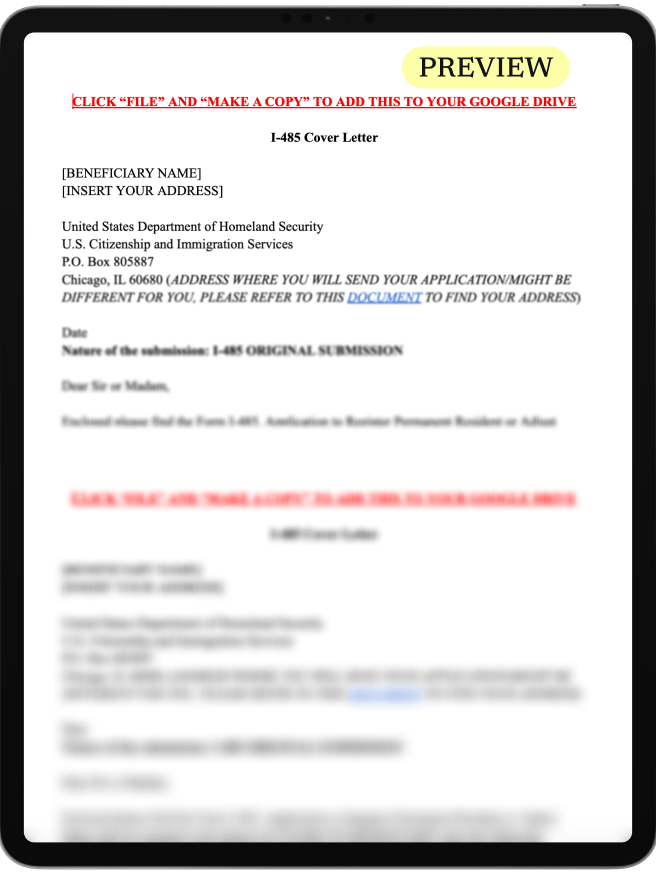
I-485 Cover Letter
All essential documents are pre-written and pre-organized, ready to file.
Follow proven, structured templates used by hundreds of immigrant couples.
04
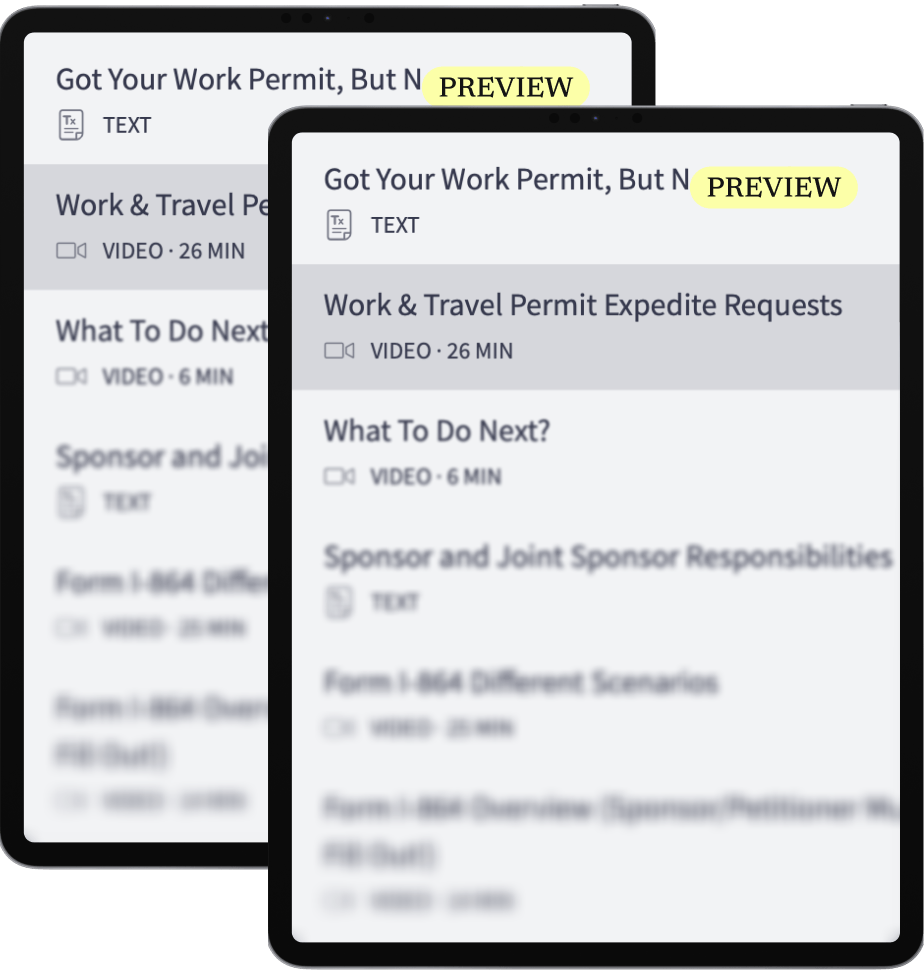
Expedite Requests
Fast-track your work or travel permit with ready-to-use USCIS cover letters.
Clear next steps for work permit and travel permit delays.
05
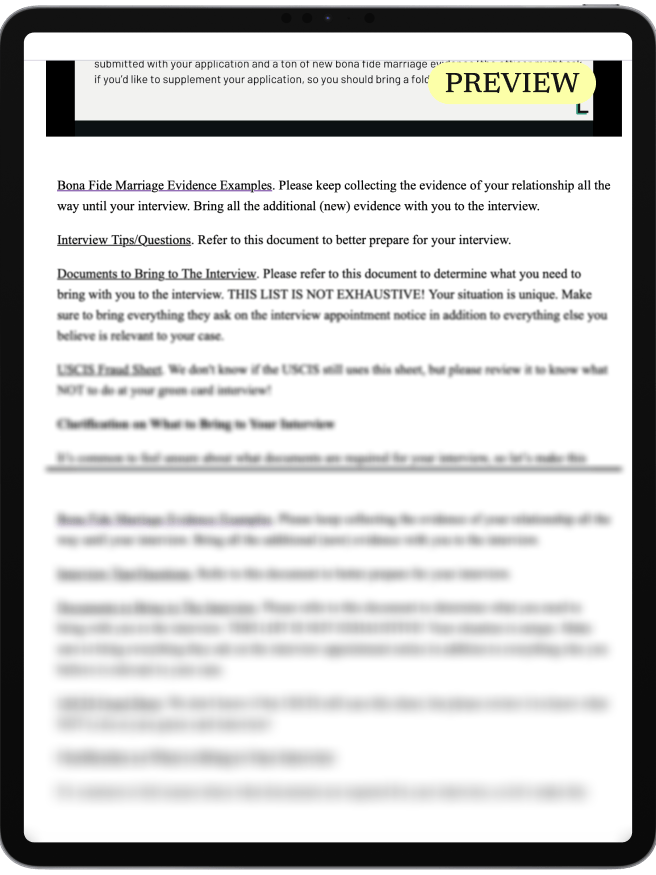
Interview Prep
Step-by-step interview prep: sample questions, red flags, and officer insight.
Know exactly how to walk into your interview ready and confident.

You’re not guessing
You’re following a proven system used & refined by hundreds
of real couples to file & navigate successfully on their own.

Success Stories

We wanted a process that felt organized and professional and something we could manage ourselves without relying on anyone else. The Marriage Immigration Method gave us exactly that. Every step was clear, structured, and easy to follow, so we always knew what to prepare and how to present it. By the time we filed, we felt confident, prepared, and fully in control. Our case was approved with zero issues, and it genuinely felt like we earned that outcome.
Green Card Approved in 8 Months

Maria & Jonathan
July 2025
The process felt overwhelming at first. There were so many forms, steps, and chances to mess up. We didn’t want to hire a lawyer, but we also didn’t want to make a mistake. The Marriage Immigration Method gave us exactly the structure and clarity we needed. Everything was organized in a way that made the whole journey feel doable. Step by step, we filed confidently, handled everything that came up, and got our Green Card approved!
Green Card Approved in 11 Months

Zarina & Hayden
September 2024

Common Questions Answered
No. The memo referenced above does not require marriage-based applicants to leave the country. The press release made it sound that way, but the actual memo imposes no such requirement. What changed is the emphasis: officers are applying existing discretionary standards more rigorously. In practice, this means your case needs to clearly demonstrate two things, that your marriage is genuine, and that you didn't enter the U.S. on a temporary visa with a pre-existing plan to stay permanently. Couples with honest timelines and real relationships can demonstrate both.
Yes. The memo (PM-602-0199) does not change the law or eliminate adjustment of status. It reminds officers that adjustment is a discretionary benefit, which it has always been, for over 50 years. If you entered the U.S. lawfully, are in a genuine marriage to a U.S. citizen, and have a clean immigration history, the path to your green card is the same as it was before. Marriage to a U.S. citizen remains one of the strongest positive factors in the discretionary analysis.
The memo explicitly carves out dual intent visa categories (H-1B, L-1, K-1, O-1). It states that applying for adjustment of status is not inconsistent with maintaining one of these visas. If you're on a dual intent visa, the heightened "preconceived intent" scrutiny is much less of a concern for you. That scrutiny is primarily directed at applicants who entered on visas that did not permit immigrant intent, such as tourist visas, ESTA, or student visas.
99% of questions are already answered inside the Method. If something new ever comes up, we normally review it within 1 business day and instantly update the system so it’s answered for everyone. You’re not waiting on us, you’re supported by a self-improving system.
No. The Method is built so couples can file directly with the USCIS using a clear, step-by-step system. It was developed by legal professionals to guide you confidently — but it’s a self-serve platform, not legal representation.
Yes. We offer a 7-day satisfaction guarantee on your purchase. If within 7 days of enrolling you determine the platform is not the right fit, simply email [email protected] and we will issue a full refund. This guarantee applies to your enrollment purchase only and does not relate to any government outcome. After the 7-day window, all sales are final. We stand behind the value of our system and want you to make your decision with confidence.
The lessons include exactly how to disclose each scenario and assemble the right evidence. Marriage-based AOS to a U.S. citizen forgives many issues when properly disclosed.
Most couples assemble a ready-to-mail packet in 1–3 weeks, depending on how quickly you gather documents and schedule your medical.
Yes. You enter your data into the official forms and mail them yourself. We do not collect or store your sensitive form answers.
We provide vetted recommendations and instructions; you choose and pay vendors directly.
Clarity at every step.
Confidence in every move.
Still have a quick question before enrolling?
Feel free to reach us at [email protected].

This website and the Marriage Immigration Method™ are educational resources and do not constitute legal advice. Use of this site does not create an attorney–client relationship.